
There is a stillness in Lady with an Ermine that feels almost architectural in its presence. Painted by Leonardo da Vinci, the portrait of Cecilia Gallerani captures something far deeper than likeness. It captures a moment suspended in time, where gesture, light, and silence work together to create an atmosphere that feels both intimate and distant.
In 2026, interiors are beginning to search for that same emotional depth. Not through excess or trend, but through restraint. Through intention. Through the quiet intelligence of space.
This is not about recreating Renaissance interiors, nor is it about historic imitation. It is about translating the emotional language of the painting into a contemporary environment – one that feels calm, composed, and deeply human.
The Palette of Silence
The palette within Lady with an Ermine is remarkably restrained. There is no visual noise, no unnecessary colour competing for attention. Instead, tones dissolve into one another such as soft creams against shadowed browns, delicate skin illuminated against a near-black void.
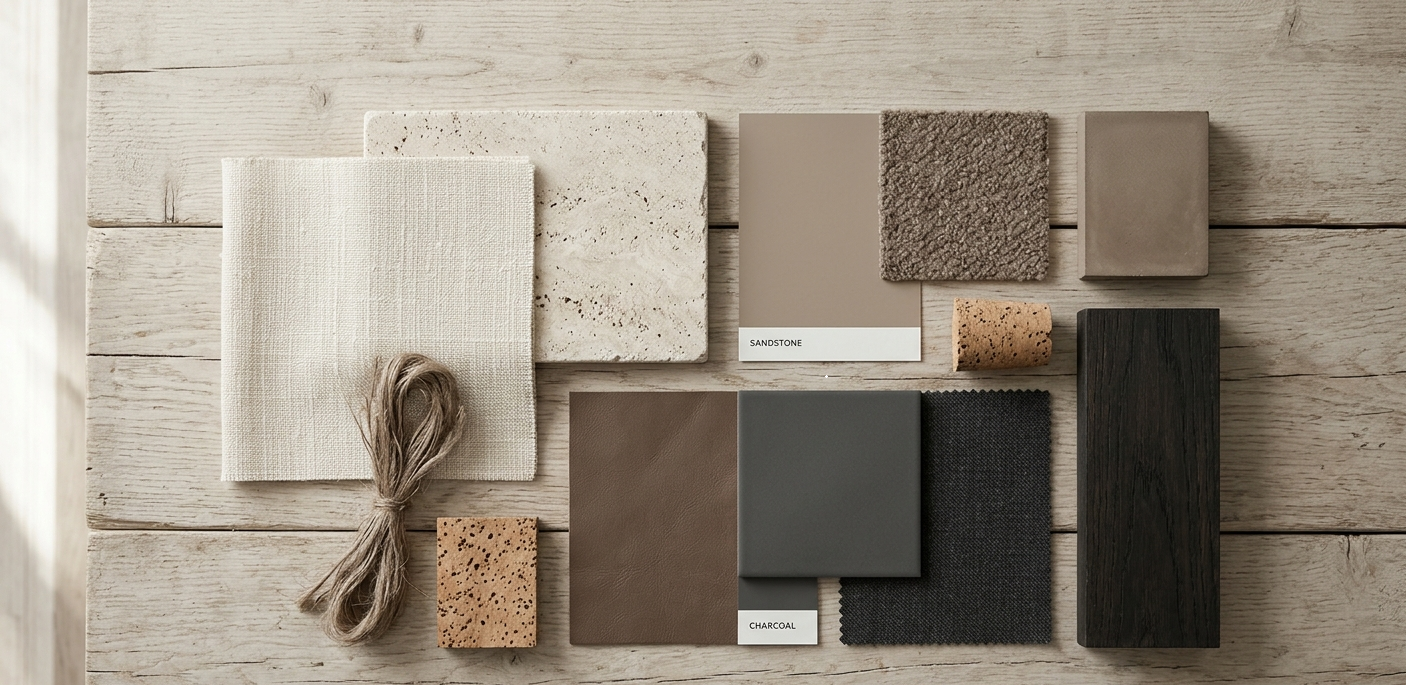
A palette of restraint. Linen, stone, and muted earth tones come together in a study of softness – where texture speaks louder than colour ever could.
Translating this into interiors means embracing colours that do not overwhelm the eye but instead allow the space to breathe. Warm ivories replace harsh whites, bringing a sense of softness to walls and ceilings. Taupes and muted browns introduce warmth without heaviness, grounding the space in something natural and familiar. Deep charcoal or near-black elements create contrast, but never dominance. They act as anchors, allowing lighter tones to glow rather than simply exist.
This palette is not designed to impress at first glance. It reveals itself slowly, much like the painting itself. It invites you to stay, to look longer, to notice subtle shifts in tone and light throughout the day.
Chiaroscuro as a Design Language
What gives the painting its depth is not colour alone, but light. The technique of chiaroscuro – where light meets shadow in soft, deliberate contrast – creates a sense of volume and quiet drama. It is not harsh or theatrical. It is controlled, gentle, and deeply intentional.
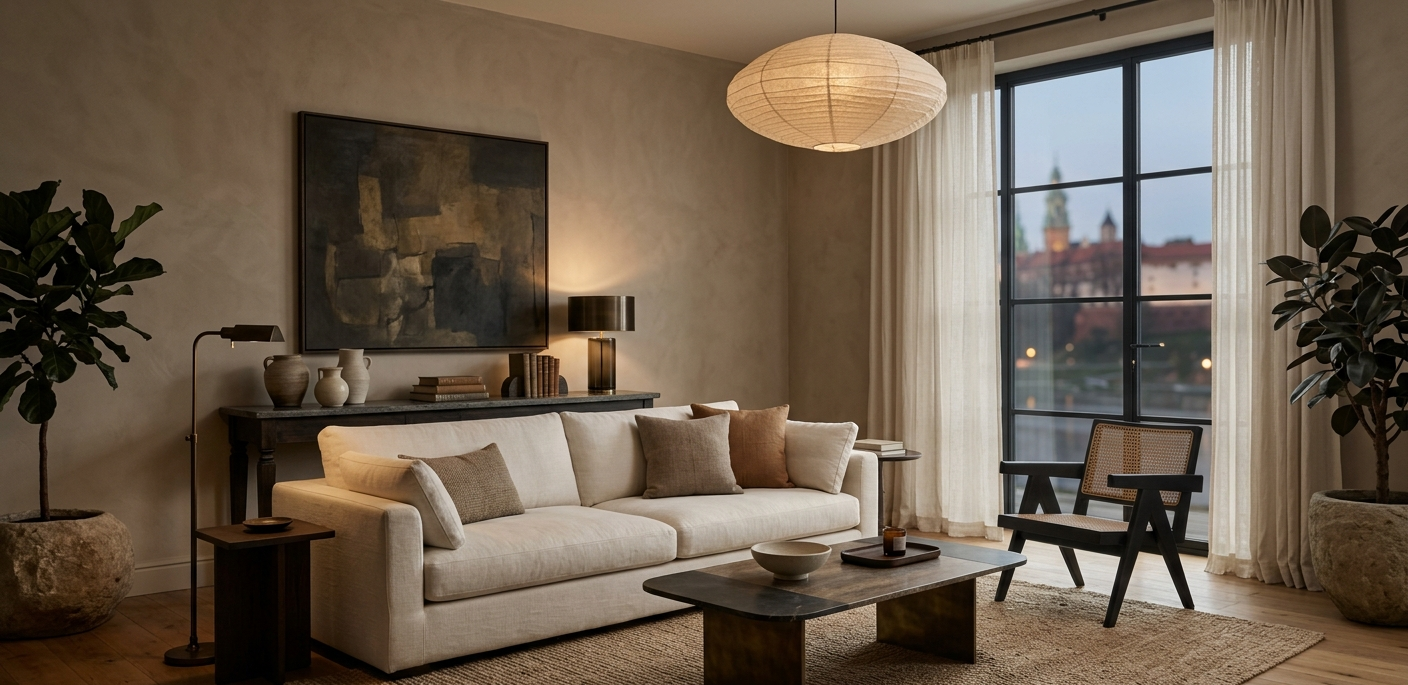
A space where light doesn’t just illuminate – it lingers. Soft neutrals and gentle shadows create a quiet composition that feels both grounded and timeless.
In interiors, this translates into a move away from uniform brightness. Instead of illuminating every corner equally, light becomes selective. It highlights, it softens, it conceals. A lamp placed beside a chair creates a small world of its own, while the rest of the room recedes into shadow. A wall sconce casts a gentle gradient rather than a flat wash of light. Candlelight flickers, introducing movement into stillness.
The result is a space that feels alive, not because it is bright, but because it is layered. Because it allows darkness to exist alongside light, rather than eliminating it.
Texture as a Sensory Language
There is an undeniable tactility in Lady with an Ermine. The softness of the animal’s fur contrasts with the smoothness of skin and the weight of fabric. Even without touch, the viewer can feel the textures.
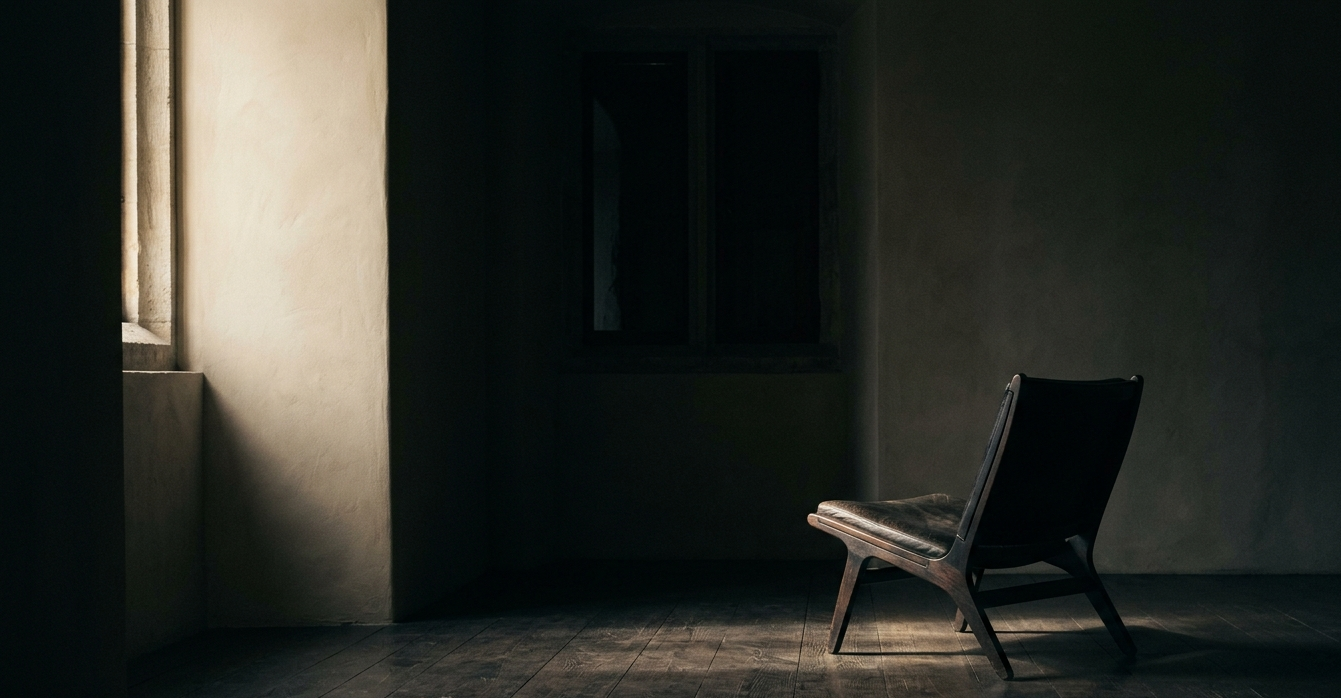
Not everything needs to be seen. In the interplay of light and darkness, a single form becomes enough – calm, present, and quietly powerful.
In interiors, this becomes a quiet form of luxury. Materials are chosen not for their shine, but for their depth and sensation. Linen drapes fall softly, catching light in subtle ways. Wool and velvet introduce warmth and comfort without excess. Natural stone, when left honed rather than polished, carries a softness that feels grounded and timeless.
These textures work together to create an environment that is not just seen, but experienced. A space that feels as good as it looks.
The Elegance of Restraint
Perhaps the most powerful aspect of the painting is what is not there. The background is almost entirely void, allowing the subject to exist without distraction. There is no clutter, no excess, no competing narrative.
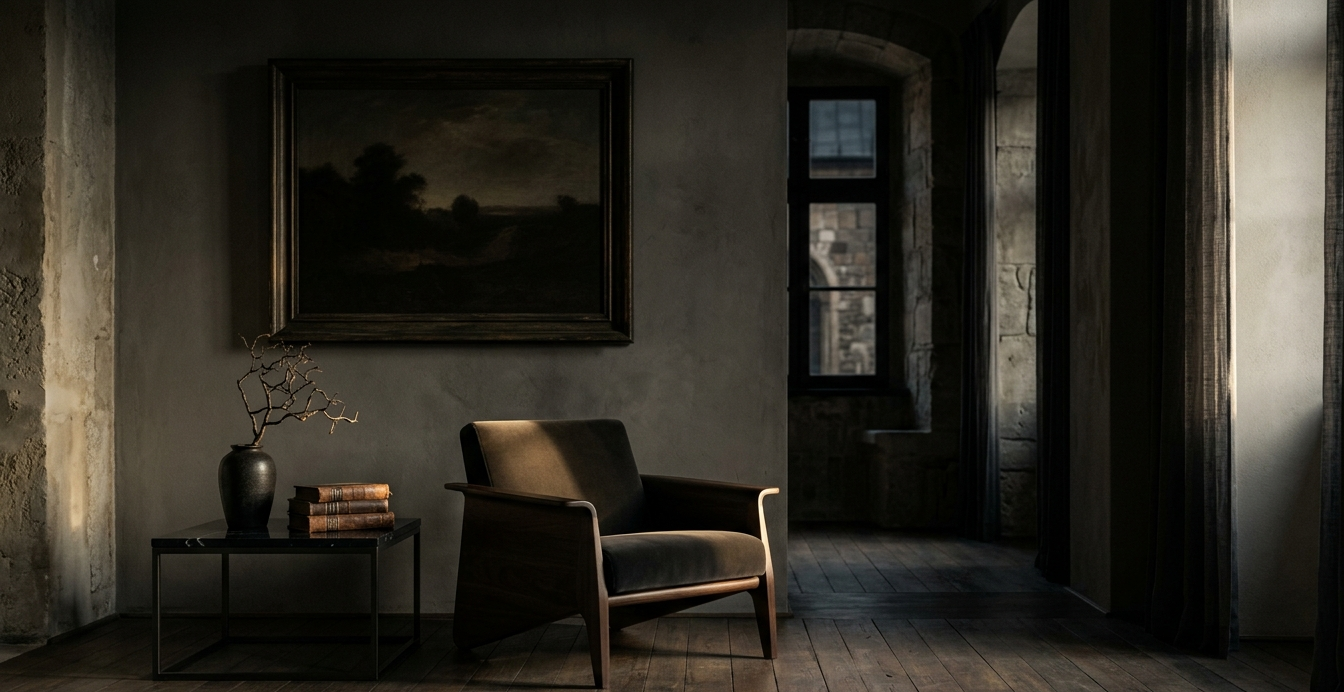
Depth is created in layers, not excess. Shadowed walls, aged textures, and warm highlights evoke a space that feels remembered rather than designed.
This idea of restraint is becoming increasingly relevant in contemporary interiors. Rather than filling every space, there is a shift toward editing. Toward choosing fewer objects but choosing them well. Allowing each piece to hold meaning, to have presence, rather than being part of a larger visual noise.
Negative space becomes a design element in itself. It creates pause. It allows the eye to rest. It gives importance to what remains.
A New Kind of Luxury
Interiors inspired by Lady with an Ermine are not about opulence in the traditional sense. They do not rely on grandeur or excess. Instead, they embody a quieter, more introspective form of luxury, one that values calm over stimulation, depth over display.
It is a space that feels composed, not staged. A space that reflects a person who does not need to prove anything, because everything is already understood.
In a world that constantly asks for attention, this kind of interior does something far more powerful.
It allows you to feel at ease within it.
And perhaps, like the painting itself, it does not reveal everything at once. It invites you to return, to notice more each time, and to find beauty not in what is obvious – but in what is quietly, effortlessly there.


